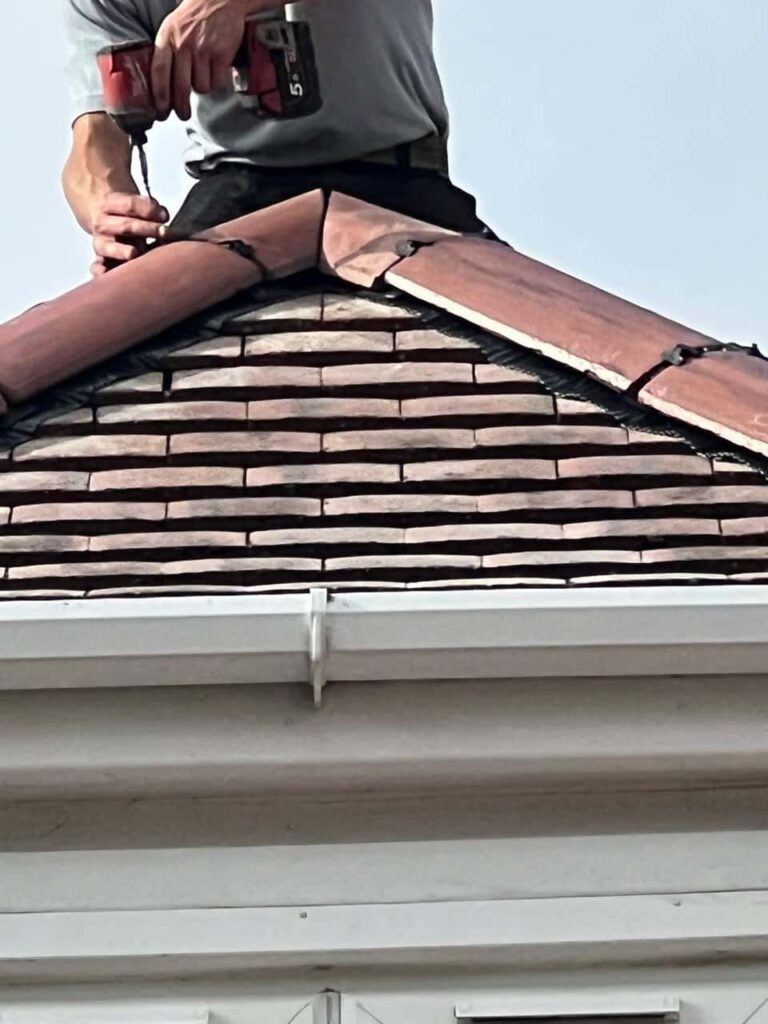
Severe weather can leave a roof vulnerable to leaks, displaced tiles and damaged components, even when the damage is not immediately obvious. Strong winds can loosen roofing materials, while heavy rain may expose weaknesses around flashing, roof joints and drainage systems. Identifying these problems early can help prevent further deterioration and protect your home from water ingress.
For homeowners in Darlaston, West Midlands, knowing what to check after a storm can make it easier to recognise potential roofing issues and arrange appropriate repairs. Darlaston Roofing Repairs provides roofing repair services to help assess storm damage and restore the protective function of affected roofs.
What Should You Check First After a Storm?
Safety should always come before inspecting the roof. Wait until the weather has settled, and never climb onto a roof or use a ladder in wet or windy conditions. Many defects can be identified from ground level, while a professional roofer can investigate areas that are difficult or unsafe to reach.
1. Look for Missing or Displaced Roof Tiles
Roof tiles and slates can become loose, cracked or dislodged during strong winds. From the ground, look for uneven rows, visible gaps or sections that appear different from their usual position.
Missing tiles can expose the underlying roof structure to rain, increasing the risk of leaks. Even if you cannot see damage from inside the property, displaced coverings should be assessed before further rainfall causes additional problems.
Avoid attempting to reposition loose tiles yourself, as they may fall unexpectedly.
2. Check for Damaged Ridge Tiles and Roof Edges
Ridge tiles protect the highest point of a pitched roof, while verges and other roof edges help shield vulnerable sections. Storms may loosen these components, particularly where mortar or fixings have already deteriorated.
Look for an uneven ridge line, missing pieces or debris around the property. If a ridge tile appears unstable or part of the roof edge has become detached, arrange a professional inspection promptly.
3. Inspect Gutters and Downpipes
Gutters and downpipes help direct rainwater away from the roof and external walls. Strong winds can loosen brackets, detach sections or cause debris to accumulate in the drainage system.
After a storm, look for sagging gutters, displaced joints, visible blockages or sections that have fallen to the ground. Damaged drainage can cause water to overflow near the roofline and contribute to dampness around walls.
If the guttering is high or difficult to reach, leave the inspection and any repairs to a professional.
4. Look for Problems Around Flashing and Chimneys
Flashing seals the joints between the roof and features such as chimneys or adjoining walls. Wind and wind-driven rain can expose weaknesses in these areas, especially if the flashing is already loose or deteriorated.
Visible gaps, bent metal sections or damaged material around a chimney may indicate a potential entry point for water. As these defects can be difficult to assess from the ground, professional inspection is often the most reliable way to determine the extent of the problem.
5. Check Inside for Signs of Water Ingress
Not all storm damage is visible from outside. Water may enter through a small opening and travel along roof timbers before appearing on a ceiling or wall.
Look for:
- New brown or yellow stains on ceilings.
- Damp patches on upper-floor walls.
- Dripping water in the loft or upstairs rooms.
- Wet insulation or visible moisture in safely accessible loft areas.
- Peeling paint, bubbling plaster or persistent musty smells.
These symptoms can have other causes, including condensation, but if they appear or worsen after a storm, the roof should be checked.
If water is entering near electrical fittings, keep clear of the affected area and seek appropriate assistance. Do not disturb a bulging or sagging ceiling, as it may contain accumulated water.
6. Look for Debris and Fallen Roofing Materials
Broken tiles, pieces of flashing and fragments of roofing material around your property may indicate that part of the roof has been damaged. Check accessible areas around the building without walking beneath visibly unstable sections.
However, the absence of debris does not mean the roof is undamaged. Tiles may be cracked or loosened without falling, and small defects can remain hidden until the next period of heavy rain.
Why Is Prompt Storm Damage Roof Repair Important?
A damaged roof can allow repeated rainfall to penetrate the building, affecting insulation, plasterwork and roof timbers. Loose components may also become more unstable during subsequent bad weather.
Prompt repairs help address the source of the problem before moisture spreads or minor defects develop into more extensive damage. The appropriate work will depend on the roof type, the extent of the damage and the condition of surrounding materials.
A professional assessment can distinguish between isolated issues, such as a broken tile, and wider problems that require more comprehensive repairs.
How to Reduce the Risk of Future Storm Damage
Although severe weather cannot be prevented, regular roof maintenance can help identify weaknesses before a storm occurs.
Arrange periodic inspections, particularly if your roof is older or has previously required repairs. Keep accessible gutters clear of debris, monitor visible changes to roof coverings and address loose tiles or deteriorating flashing promptly.
After severe weather, carry out a visual check from the ground and look for signs of water ingress indoors. Avoid climbing onto the roof or attempting repairs without suitable training and equipment.
Professional Roof Repairs in Darlaston, West Midlands
Storm damage is not always easy to assess without a closer inspection. Darlaston Roofing Repairs can help homeowners in Darlaston, West Midlands, identify roofing defects and determine suitable repairs to restore the roof’s protective performance.
Whether you have noticed missing tiles, damaged flashing, loose ridge components or signs of a leak, professional advice can help establish the cause and the next steps.
Conclusion
After a storm, homeowners should check for displaced roof tiles, damaged ridge sections, loose guttering, defective flashing and signs of water inside the property. Identifying these warning signs early can help limit further damage and keep the roof in good condition.
If you suspect your roof has been affected by severe weather, contact Darlaston Roofing Repairs to discuss your concerns and arrange a professional assessment. Prompt attention can help protect your home from further water ingress and prevent existing defects from worsening.
Call us on: 0121 312 1686
Click here to find out more about Darlaston Roofing Repairs
Click here to complete our contact form and see how we can help with your roofing needs.