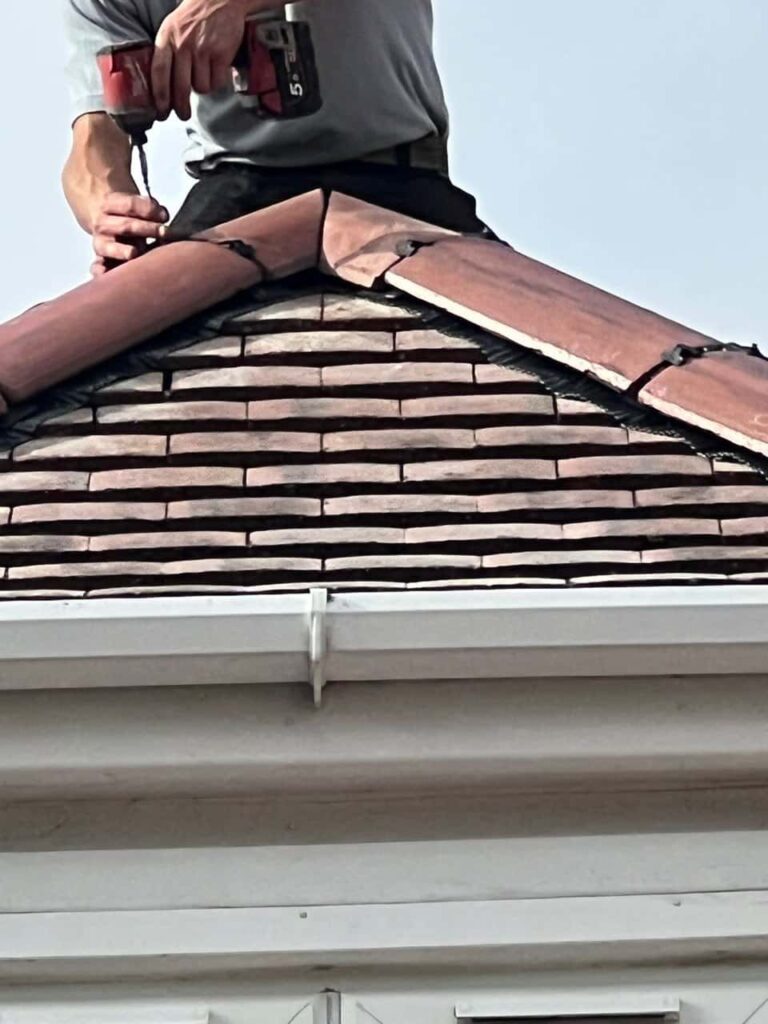
Roof tiles are designed to provide long-lasting protection against the British weather, creating a durable barrier that keeps your home dry and secure. However, even a well-built roof can develop loose tiles over time. While a single loose tile may seem like a minor issue, it can quickly lead to water ingress, further tile movement and more extensive roofing problems if left unattended.
For homeowners in Darlaston, West Midlands, understanding why roof tiles become loose is the first step towards preventing unnecessary damage. At Darlaston Roofing Repairs, we provide professional roof inspections, roof repairs and new roof installations to ensure every roofing system continues to perform at its best.
Natural Ageing of Roofing Materials
All roofing materials experience gradual wear throughout their lifespan.
Years of exposure to rain, wind, frost and sunlight slowly affect tiles, fixings and mortar. As these materials age, they may lose some of their original strength, allowing individual tiles to become less secure.
Regular roof inspections help identify ageing components before they lead to more significant problems.
Strong Winds
High winds are one of the most common causes of loose roof tiles.
Powerful gusts place pressure on the roof surface, particularly along ridges, roof edges and exposed sections. If a tile has already been weakened through age or previous weather exposure, strong winds can loosen it further or dislodge it completely.
Checking the roof after periods of severe weather is always advisable.
Deteriorating Mortar
Many tiled roofs rely on mortar to secure ridge tiles and other roofing components.
Over time, mortar naturally begins to weather and may crack, crumble or separate from the roof. As this happens, the stability of nearby tiles can be affected, increasing the risk of movement during windy conditions.
Professional repairs restore the strength of these important roofing areas.
Failing Tile Fixings
Modern roofing systems use various fixings to hold tiles securely in place.
As these fixings age or deteriorate, they may no longer provide the support required to keep tiles firmly attached. This can allow tiles to shift slightly before eventually becoming loose.
Replacing worn fixings helps maintain the roof’s structural integrity.
Repeated Temperature Changes
Roofs continually expand and contract as temperatures rise and fall throughout the year.
Although this movement is usually gradual, repeated expansion and contraction can place stress on fixings, mortar and roofing materials. Over many years, this natural movement may contribute to individual tiles working loose.
Routine maintenance helps identify these changes before they affect larger sections of the roof.
Storm Damage and Falling Debris
Storms can cause more than just wind damage.
Falling branches, airborne debris or impact from other objects may crack tiles or disturb their position. Even if the damage appears minor, affected tiles may no longer provide complete weather protection.
Prompt repairs help prevent water from entering through damaged areas.
Previous Poor-Quality Repairs
Not every roofing repair provides a lasting solution.
If tiles have previously been repositioned without addressing worn fixings or underlying defects, they may loosen again after a relatively short period. Professional roof repairs focus on resolving the cause of the movement rather than simply replacing the visible tile.
This approach provides a more reliable long-term result.
Why Loose Roof Tiles Should Never Be Ignored
A loose tile affects more than just one section of the roof.
Once movement begins, surrounding tiles may also become vulnerable, increasing the risk of water penetration during heavy rain. Moisture entering beneath the roof covering can eventually affect underlay, battens and structural timbers if the issue is not addressed promptly.
Early intervention helps protect the entire roofing system.
The Importance of Professional Roof Inspections
Many loose tiles cannot be safely identified from ground level.
Experienced roofing specialists know where tile movement is most likely to occur and can carry out a detailed inspection of the entire roof. They assess the condition of the tiles, fixings, mortar, flashing and surrounding components to ensure any repairs restore the roof’s full performance.
At Darlaston Roofing Repairs, we provide expert roof inspections, professional roof repairs and new roof installations throughout Darlaston, West Midlands. Our experienced team carefully diagnoses roofing problems and delivers high-quality repairs designed to provide dependable, long-lasting protection.
Signs You May Have Loose Roof Tiles
Arrange a professional roof inspection if you notice:
- Tiles that appear uneven or out of position.
- Pieces of mortar on the ground.
- Water stains on ceilings or loft timbers.
- Debris collecting in gutters after windy weather.
- Visible gaps within the roof covering.
- Rattling noises from the roof during strong winds.
Addressing these warning signs early helps prevent more extensive roofing repairs in the future.
Conclusion
Loose roof tiles are usually the result of gradual ageing, severe weather, deteriorating mortar, failing fixings or previous roofing issues. While the problem may begin with a single tile, it can quickly affect the wider roofing system if left unresolved. Regular inspections and prompt professional repairs help maintain the roof’s strength, weather resistance and long-term reliability.
For homeowners in Darlaston, West Midlands, Darlaston Roofing Repairs provides expert roof inspections, reliable roof repairs and high-quality new roof installations tailored to the condition of every property. If you have noticed loose roof tiles or signs of roof damage, our experienced team is ready to restore your roof with professional workmanship and dependable roofing solutions.
Call us on: 0121 312 1686
Click here to find out more about Darlaston Roofing Repairs
Click here to complete our contact form and see how we can help with your roofing needs.