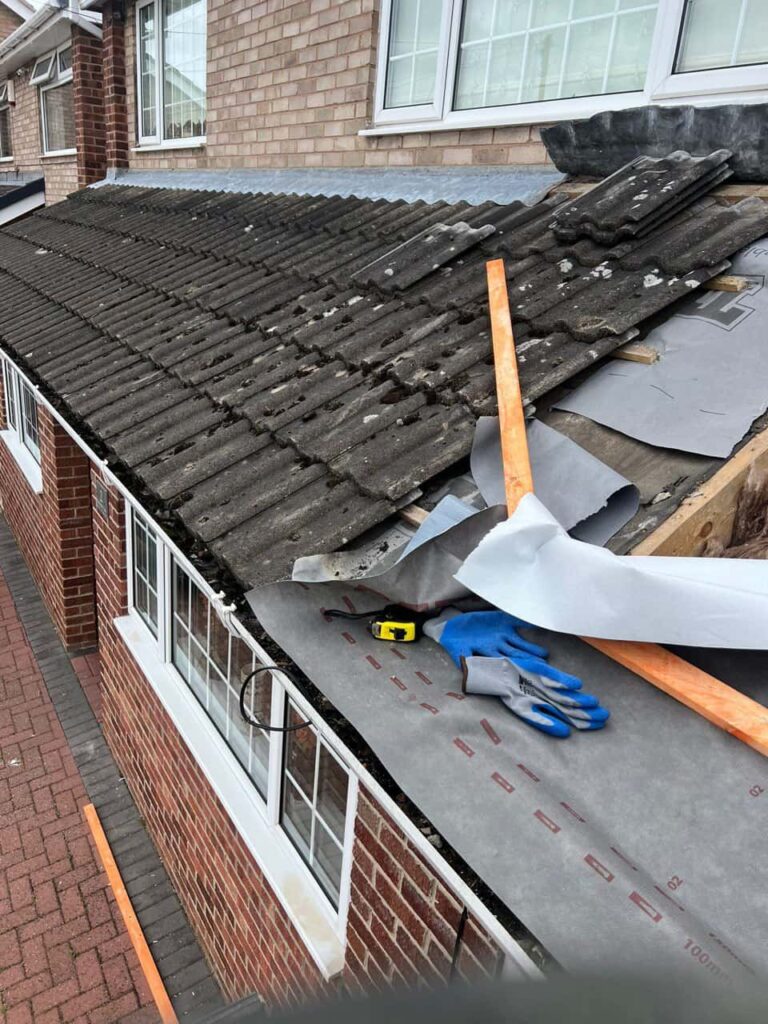
For many homeowners in Darlaston, the idea of needing a new roof does not come from a single dramatic event. More often, it is the result of gradual changes, recurring issues, and underlying wear that reach a tipping point. Understanding what truly triggers the need for a roof replacement helps property owners make informed decisions and avoid ongoing disruption caused by repeated repairs.
At Darlaston Roofing Repairs, we regularly assess roofs to determine whether continued maintenance is sufficient or whether a new roof is the most reliable long-term solution. Below, we explain the key factors that typically signal when replacement becomes necessary.
Persistent and Widespread Roof Problems
Occasional roof issues are normal over time, but when problems become frequent or appear in multiple areas, they often indicate a deeper structural concern. Recurrent leaks, recurring tile movement, or repeated water ingress suggest that the roof system is no longer functioning as a whole.
In many cases, repairing one section simply shifts the problem elsewhere, as surrounding materials may be at a similar stage of deterioration. This pattern is often a clear trigger that the roof is approaching the end of its serviceable life.
Age-Related Decline in Roofing Materials
All roofing materials naturally deteriorate with age. Over time, tiles can become brittle, underlay may lose its protective properties, and fixings can weaken. When several components reach this stage together, repairs may no longer restore the roof’s reliability.
Older roofs may also lack modern protective layers that improve moisture control and overall performance. When age-related wear affects the roof as a system rather than in isolated areas, replacement becomes a more effective solution.
Structural Movement and Roof Sagging
A well-performing roof should maintain a consistent shape and structure. Any visible sagging, uneven rooflines, or movement can indicate underlying structural stress.
This type of issue is often linked to prolonged moisture exposure or weakened roof timbers. Once the structure itself is affected, surface repairs alone cannot resolve the problem, making a new roof the most dependable way to restore stability.
Ongoing Water Ingress and Internal Impact
Water ingress that continues despite previous repairs is another common trigger for roof replacement. Moisture that penetrates the roof over time can damage insulation, timbers, and internal surfaces.
If damp patches, mould growth, or ceiling staining continue to reappear, it often means water is entering the roof system at multiple points. Addressing these issues comprehensively may require replacing the roof rather than repeatedly treating the symptoms.
Roof Design No Longer Performing Effectively
Some roofs struggle due to outdated design or installation methods. Inadequate ventilation, incorrect pitch, or materials unsuitable for long-term exposure can all contribute to recurring problems.
When a roof has consistently underperformed, even after maintenance and repairs, it may be a sign that its design is no longer fit for purpose. A new roof allows these shortcomings to be addressed properly.
The Point Where Repairs Stop Adding Value
There is a stage where ongoing repairs no longer provide meaningful improvement. If maintenance work becomes more frequent and disruptive without delivering lasting results, replacement often becomes the more sensible option.
A professional assessment can help determine whether further repairs will genuinely extend the roof’s lifespan or simply delay an inevitable decision.
The Importance of Professional Roof Assessment
Deciding whether a roof needs replacing should always be based on a thorough inspection rather than assumption. Some roofs may appear worse than they are, while others may hide serious issues beneath the surface.
At Darlaston Roofing Repairs, we provide clear, honest assessments that help homeowners understand the true condition of their roof and the most appropriate next steps.
Conclusion
The need for a new roof is usually triggered by a combination of factors rather than a single fault. Persistent problems, ageing materials, structural concerns, ongoing water ingress, and diminishing returns from repairs all signal when replacement may be the most reliable solution.
For homeowners in Darlaston, understanding these triggers allows for confident decision-making and long-term protection of the property. If you are unsure whether your roof is still performing as it should, Darlaston Roofing Repairs is available to provide expert guidance and professional support tailored to your home in the West Midlands.
Call us on: 0121 312 1686
Click here to find out more about Darlaston Roofing Repairs
Click here to complete our contact form and see how we can help with your roofing needs.